Scarcity Tactics: Online Exclusive Releases in 2025 Insider Knowledge
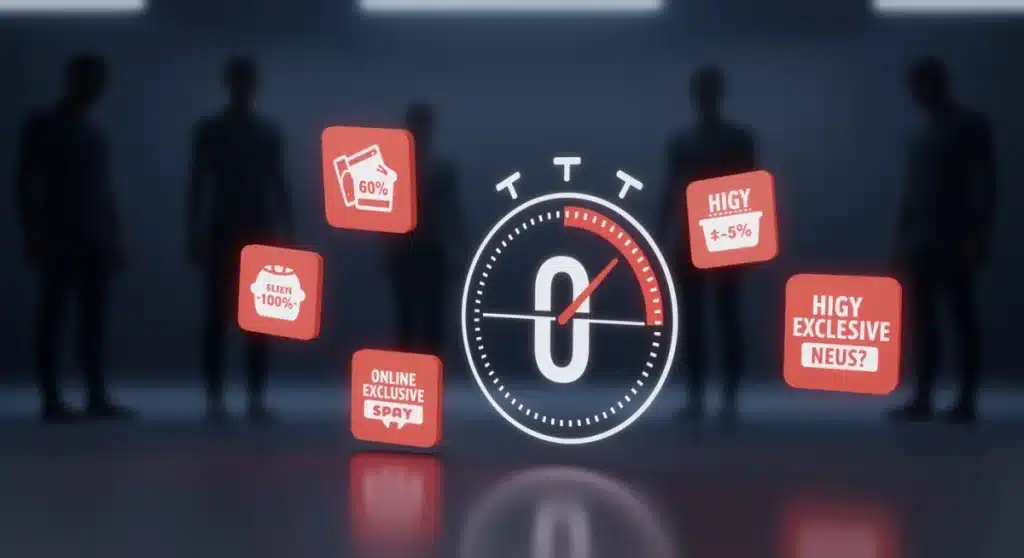
Brands strategically employ scarcity tactics to generate immense demand for online exclusive releases, often transitioning products from full stock to sold out within minutes, a phenomenon driven by calculated consumer psychology.
Ever wonder how certain products vanish online almost instantly upon release? The phenomenon of items going from 100 to 0: understanding the scarcity tactics behind most online exclusive releases in 2025 (insider knowledge) is a meticulously crafted strategy, not merely accidental demand. This deep dive will explore the intricate mechanisms brands employ to create urgency and desirability, ensuring their limited-edition offerings become instant sell-outs.
The Psychology of Scarcity: Why We Crave What’s Limited
At its core, scarcity marketing taps into fundamental human psychological biases. When something is perceived as limited or difficult to obtain, its value inherently increases in our minds. This isn’t a new concept, but in the digital age, its execution has become far more sophisticated and impactful, especially for online exclusive releases.
The desire for exclusive items often stems from a combination of fear of missing out (FOMO) and the perceived social status associated with owning something rare. Brands understand this deeply and leverage it to create unparalleled hype and demand, even for products that might otherwise be considered mundane.
FOMO and the Urgency Driver
The fear of missing out is a powerful motivator. In the context of online exclusive releases, it translates into a frantic urgency to purchase before an item is gone forever. Social media amplifies this, as users see others acquiring coveted items, further fueling their own desire.
- Limited Time Offers: A classic tactic, setting a strict sales window compels immediate action.
- Limited Stock Notifications: Real-time updates on dwindling inventory create a sense of impending loss.
- Exclusive Access: Requiring sign-ups or special codes makes the product feel more privileged.
Perceived Value and Social Status
Beyond just owning an item, consumers often seek the status and recognition that comes with it. An online exclusive release, by its very nature, signals a certain level of discernment or quick action from its owner. This social currency is a significant driver for many purchases, turning products into symbols of identity and belonging.
The psychological underpinnings of scarcity are not just about making a sale; they’re about cultivating a loyal and engaged community. Brands that master this often see their customers become advocates, further spreading the word about future exclusive drops.
Pre-Release Hype Generation: Building Anticipation for the Drop
Long before an online exclusive item is available for purchase, a meticulous campaign of hype generation begins. This involves a multi-channel approach designed to build anticipation, create buzz, and ensure that when the product finally drops, there’s an eager audience ready to pounce. It’s about turning a product into an event.
Effective pre-release strategies are critical for maximizing the impact of scarcity. Without sufficient build-up, even a truly limited item might not generate the desired rapid sell-out. Brands invest heavily in this phase, understanding that the groundwork laid here determines the success of the release.
Influencer Marketing and Collaborations
Partnering with relevant influencers is a cornerstone of modern hype generation. These individuals, with their dedicated followers, can introduce a product to a vast audience, lending credibility and desirability. Collaborations with other brands or artists also create unique narratives that appeal to specific demographics.
- Teasers and Sneak Peeks: Influencers often share early glimpses of products, building excitement.
- Unboxing Videos: Generating content that showcases the product before launch can create significant buzz.
- Exclusive Giveaways: Contests and giveaways prior to release can boost engagement and awareness.
Strategic Content Marketing
Beyond direct endorsement, brands utilize compelling content to tell the story behind the exclusive release. This can include behind-the-scenes glimpses, interviews with designers, or narratives about the inspiration for the product. Such content fosters a deeper connection with the brand and the item.
Social media campaigns, email newsletters, and even dedicated microsites are employed to keep the product top-of-mind. The goal is to create a sustained conversation around the upcoming release, making it a cultural moment rather than just another product launch.
The Mechanics of the Drop: Orchestrating the Sell-Out
The moment an online exclusive release goes live is often referred to as ‘the drop.’ This is where all the psychological manipulation and hype generation culminate. Brands employ sophisticated technical and logistical strategies to manage this critical phase, ensuring a smooth, albeit rapid, sell-out experience.
From website stability to bot mitigation, every detail is carefully planned to handle the anticipated surge in traffic and transactions. The objective is not just to sell out quickly, but to do so in a way that reinforces the brand’s image and rewards genuine customers.
Website Infrastructure and Scalability
A crashing website is the ultimate failure for an online exclusive release. Brands invest in robust server infrastructure, content delivery networks (CDNs), and load balancing solutions to ensure their platforms can withstand massive traffic spikes. This technical preparedness is just as crucial as the marketing.
The goal is to provide a seamless purchasing experience, even under extreme pressure. Any technical glitches can lead to frustrated customers and damage brand reputation, undermining all the effort put into building anticipation.
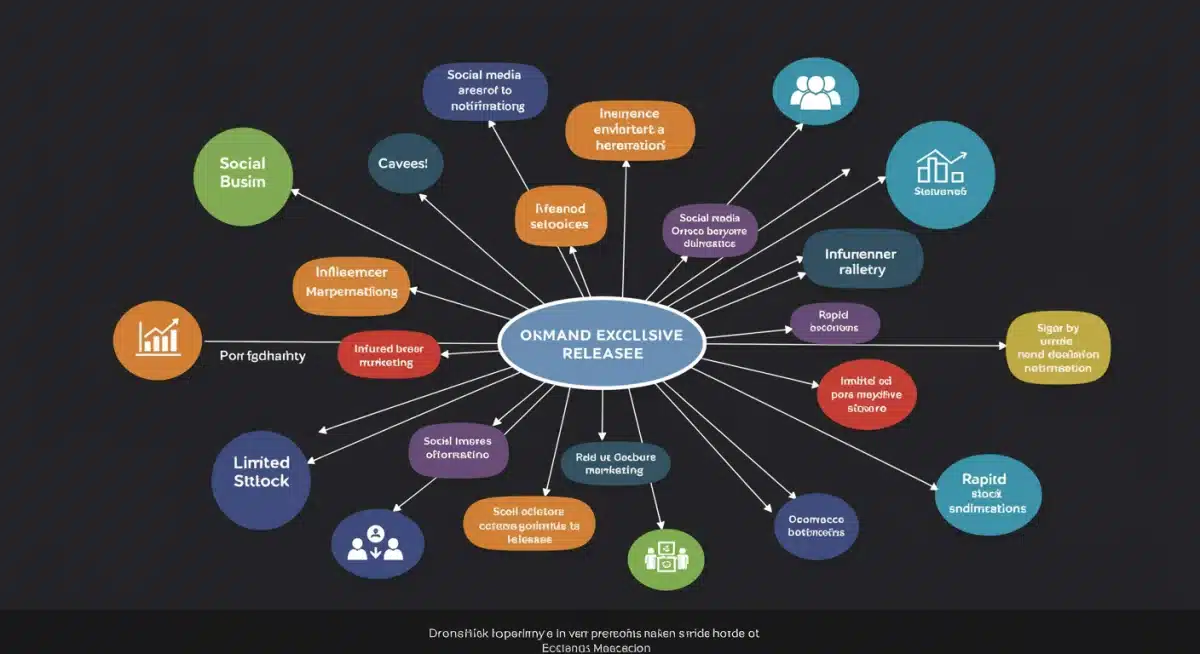
Bot Mitigation and Fair Access
The popularity of online exclusive releases has unfortunately led to the rise of automated bots designed to snatch up inventory faster than human buyers. Brands are constantly battling these bots, employing various anti-bot measures to ensure that products are available to genuine customers.
- CAPTCHA Challenges: Implementing complex CAPTCHA tests to filter out automated scripts.
- Queue Systems: Placing buyers in a virtual waiting line to manage traffic and deter bots.
- Purchase Limits: Restricting the number of items per customer to prevent bulk buying by resellers.
Real-Time Inventory Management
Accurate and real-time inventory updates are essential. Customers need to see stock levels dwindling to reinforce the scarcity message. This requires sophisticated backend systems that can process transactions rapidly and reflect changes in inventory almost instantaneously.
Post-Release Engagement: Sustaining the Brand Buzz
The journey doesn’t end once an online exclusive release sells out. In fact, the post-release phase is crucial for sustaining brand buzz, fostering community loyalty, and preparing for future drops. Brands leverage the success of a sold-out item to amplify their message and engage with both successful purchasers and those who missed out.
This continued engagement turns a one-off transaction into an ongoing relationship, transforming buyers into brand advocates. It’s about capitalizing on the momentum created by the scarcity tactics to build long-term value.
Community Building and User-Generated Content
Encouraging buyers to share their new acquisitions on social media is a powerful form of organic marketing. User-generated content (UGC) provides authentic testimonials and further fuels the desirability of the brand’s products. Brands often repost or highlight this content, creating a virtuous cycle of engagement.
- Hashtag Campaigns: Creating unique hashtags for releases encourages sharing and discoverability.
- Contests for Best Photos: Incentivizing customers to showcase their purchases creatively.
- Exclusive Forums/Groups: Creating spaces for enthusiasts to connect and share their passion.
Teasing Future Releases
Even as one exclusive item sells out, brands are already hinting at the next one. This continuous cycle of anticipation keeps customers engaged and eagerly awaiting the next drop. The success of previous releases builds trust and excitement for what’s to come.
Analyzing sales data and customer feedback from previous drops also informs future strategies, allowing brands to refine their approach and make each subsequent release even more impactful. This iterative process is key to long-term success in the online exclusive market.
The Dark Side of Scarcity: Exploitation and Ethical Concerns
While scarcity tactics can be a powerful tool for brands, they are not without their ethical considerations and potential for exploitation. The line between genuine limited availability and manufactured scarcity can sometimes blur, leading to consumer frustration and accusations of unfair practices.
Understanding these downsides is crucial for both brands and consumers. For brands, it’s about maintaining trust and a positive reputation. For consumers, it’s about being aware of manipulative tactics and making informed purchasing decisions.
Manufactured Scarcity vs. Genuine Rarity
The primary ethical concern revolves around whether the scarcity is genuine. Is the product truly limited due to production challenges or unique materials, or is the limitation artificially imposed solely to drive up demand? While both can lead to sell-outs, the latter can feel manipulative to consumers.
Brands must strike a balance. Over-reliance on manufactured scarcity without delivering exceptional product quality can erode consumer trust over time. Authenticity in product development and marketing is key to long-term success.
Resale Markets and Price Gouging
The rapid sell-out of online exclusive releases often fuels a secondary market where items are resold at significantly inflated prices. This can be frustrating for genuine enthusiasts who miss out, and it can also detract from the brand’s intended pricing strategy.
- Bots and Scalpers: These entities often dominate the initial purchase, leaving little for individual buyers.
- Brand Response: Some brands actively try to combat scalping, while others implicitly benefit from the increased hype.
- Consumer Frustration: The inability to acquire items at retail price can lead to significant dissatisfaction.
Impact on Consumer Behavior
The constant exposure to scarcity tactics can lead to impulsive buying behavior and a feeling of inadequacy for those who frequently miss out. Brands have a responsibility to consider the psychological impact of their marketing strategies on their audience.
Navigating the 2025 Landscape: Tips for Consumers and Brands
As we look towards 2025, the landscape of online exclusive releases will continue to evolve. For consumers, understanding the tactics at play can help in making more informed decisions. For brands, ethical considerations and innovative strategies will be paramount to standing out in a crowded market.
The future of online exclusives will likely see a greater emphasis on community, transparency, and perhaps even new models for distribution that aim to mitigate some of the current frustrations. Both sides of the equation stand to benefit from a more nuanced approach.
For Consumers: Be Prepared, Be Smart
Navigating the world of online exclusive releases requires preparation and a strategic mindset. Don’t fall victim to impulsive buying solely driven by FOMO. Research the product, understand its true value, and set realistic expectations.
- Do Your Research: Understand the product’s quality and genuine demand.
- Set Budgets: Avoid overspending due to the pressure of scarcity.
- Utilize Alerts: Sign up for brand newsletters and follow social media channels for drop announcements.
- Practice Patience: Sometimes, the secondary market prices will eventually drop, or similar items may be released.
For Brands: Innovate and Authenticate
Brands looking to succeed with online exclusive releases in 2025 must go beyond simple scarcity. Authenticity, community engagement, and a commitment to fair distribution will differentiate them. Consider innovative ways to reward loyal customers and minimize the impact of bots.
Exploring new technologies like NFTs for proof of ownership or blockchain for transparent supply chains could offer novel solutions. The goal should be to create excitement and value without resorting to overly manipulative tactics that alienate your core audience.
| Key Tactic | Brief Description |
|---|---|
| Psychological Triggers | Leveraging FOMO and perceived value to create urgent demand. |
| Pre-Release Hype | Building anticipation through influencer marketing and strategic content. |
| Drop Mechanics | Ensuring website stability and bot mitigation for smooth sell-outs. |
| Ethical Considerations | Addressing concerns about manufactured scarcity and unfair resale markets. |
Frequently Asked Questions About Online Exclusive Releases
Online exclusive releases are products, often limited in quantity or available for a short time, that are sold solely through a brand’s website or specific online retailers. They leverage scarcity to create high demand and a sense of urgency among consumers, driving rapid sell-outs.
Brands use scarcity tactics to tap into consumer psychology, specifically the fear of missing out (FOMO) and the perceived increased value of limited items. This strategy generates significant hype, drives immediate purchases, and enhances brand desirability and exclusivity, leading to rapid sell-outs.
Consumers can improve their chances by signing up for email newsletters, following brands on social media for drop announcements, setting release date reminders, and having payment information pre-saved. Being quick and prepared for the exact drop time is crucial due to high demand.
Ethical concerns include the creation of artificial scarcity, which can feel manipulative to consumers. There are also issues with bots and scalpers dominating releases, leading to inflated resale prices and frustration for genuine buyers who miss out on retail price purchases.
Yes, scarcity tactics are likely to remain effective, though they may evolve. Brands will need to balance hype with authenticity and ethical considerations. Consumers will become more discerning, pushing brands to innovate with community engagement and fair distribution methods to maintain trust and desirability.
Conclusion
The journey from 100 to 0: understanding the scarcity tactics behind most online exclusive releases in 2025 (insider knowledge) reveals a sophisticated interplay of psychology, marketing, and technological precision. Brands have mastered the art of creating intense demand, transforming product launches into high-stakes events. For consumers, awareness of these strategies empowers more thoughtful purchasing decisions. As the digital marketplace continues to evolve, the strategic application of scarcity will remain a dominant force, shaping how we perceive and acquire desirable goods, making it essential for both buyers and sellers to navigate this landscape with insight and integrity.