2025 Clearance: New Retail Strategies & 60-90% Price Drops
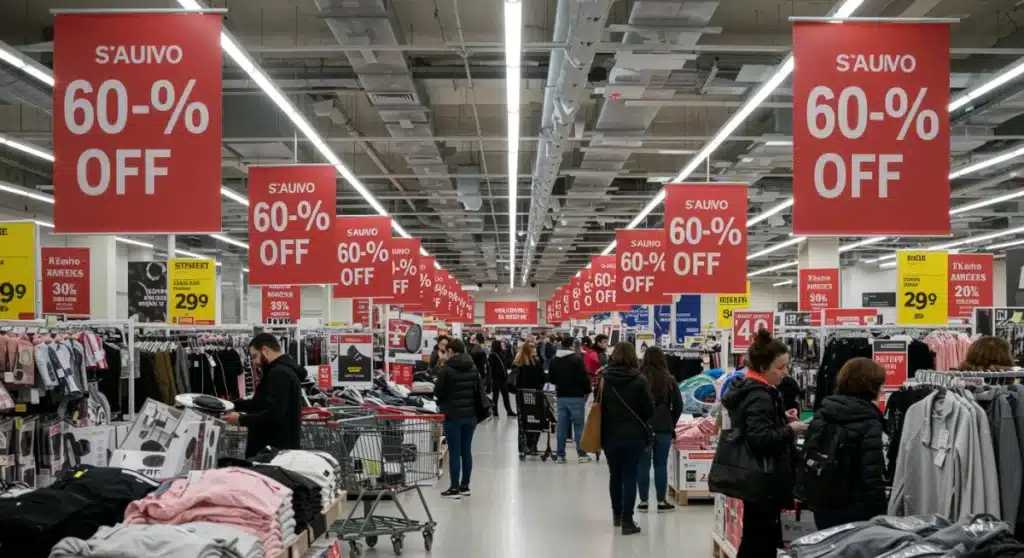
Retailers are adopting innovative strategies for 2025 clearance events, projecting significant price reductions ranging from 60% to 90% as they navigate evolving market conditions and consumer spending habits.
As we approach 2025, the retail landscape is undergoing a significant transformation, with new strategies emerging for clearance events that promise unprecedented savings. Consumers can anticipate substantial price adjustments, with many retailers projecting a remarkable Recent Updates: New Retail Strategies for 2025 Clearance, Expecting 60-90% Price Drops. This shift isn’t merely about moving old inventory; it’s a calculated response to evolving consumer behavior, supply chain optimizations, and a competitive market that demands agility and innovation.
The evolving retail landscape and consumer demand
The retail sector is in a constant state of flux, driven by technological advancements, shifts in consumer preferences, and global economic factors. For 2025, these dynamics are prompting retailers to rethink their traditional clearance approaches, moving towards more dynamic and data-driven strategies. Consumers are savvier than ever, seeking value, transparency, and experiences that resonate with their personal values.
This heightened consumer awareness means that simple markdowns are no longer sufficient to capture attention. Retailers must now craft compelling narratives around their clearance events, emphasizing sustainability, ethical sourcing, or exclusive access to deeply discounted items. The focus has shifted from merely offloading products to creating engaging opportunities that foster loyalty and drive repeat business.
Technological integration for smarter clearance
Technology plays a pivotal role in shaping the future of clearance sales. Advanced analytics and AI are enabling retailers to predict demand more accurately, optimize pricing in real-time, and personalize offers to individual shoppers. This precision helps minimize overstock situations, making clearance events more strategic and impactful.
- AI-driven forecasting: Predicting seasonal and trend-based demand to order appropriate inventory levels.
- Dynamic pricing algorithms: Adjusting prices based on competitor actions, inventory levels, and consumer interest.
- Personalized promotions: Tailoring discounts and offers to specific customer segments for higher conversion rates.
- Enhanced inventory visibility: Real-time tracking of stock across all channels to prevent dead stock.
The integration of these technologies allows retailers to be proactive rather than reactive, transforming clearance from a last resort into a strategic component of their overall sales cycle. This not only benefits the retailer by improving efficiency but also provides consumers with more timely and relevant deals.
Understanding the modern consumer’s demand for both value and a seamless shopping experience is crucial. Retailers are investing in robust omnichannel strategies, ensuring that clearance deals are accessible whether customers prefer online browsing, in-store shopping, or a hybrid approach. This integrated experience will be a hallmark of 2025 clearance events, making it easier for shoppers to discover and capitalize on significant price drops.
Supply chain optimization: a key to deeper discounts
One of the less visible, yet highly impactful, drivers behind the anticipated 60-90% price drops in 2025 clearance events is the continuous optimization of global supply chains. Retailers have learned valuable lessons from recent disruptions, leading to more resilient, efficient, and cost-effective logistics networks. This improved efficiency directly translates into lower operational costs, allowing for more aggressive discounting without eroding profit margins as severely as before.
Modern supply chains are characterized by their agility and responsiveness. Retailers are leveraging advanced data analytics to identify bottlenecks, streamline transportation, and manage inventory more effectively across their entire network. This proactive approach helps prevent the accumulation of excess stock, which historically necessitated steep discounts to clear.
Lean inventory management practices
The philosophy of lean inventory management is gaining traction, pushing retailers to hold only the stock necessary to meet immediate demand. This minimizes warehousing costs, reduces the risk of obsolescence, and frees up capital that can be reinvested elsewhere. When excess inventory does occur, it’s often a result of strategic over-ordering for peak seasons or unexpected shifts in trends, rather than systemic inefficiencies.
- Just-in-time inventory: Minimizing stock on hand by receiving goods only as they are needed.
- Vendor managed inventory (VMI): Suppliers take responsibility for maintaining inventory levels at the retailer’s location.
- Cross-docking: Moving products directly from an inbound truck to an outbound truck without intermediate storage.
- Returns optimization: Efficiently processing and re-integrating returned items into saleable inventory.
These practices collectively contribute to a healthier inventory flow. When clearance events do happen, they are less about panic-selling and more about strategic adjustments to make way for new collections or to capitalize on specific market opportunities. The ability to move goods quickly and efficiently from warehouse to sales floor, or directly to consumers, is paramount.
Furthermore, the increased focus on sustainability within supply chains also plays a role. Retailers are exploring ways to reduce waste and extend the lifecycle of products, which can include strategic clearance as a means of preventing items from going to landfills. This aligns with consumer values and adds another layer of purpose to clearance sales, beyond just price reduction.
The role of data analytics in predicting price drops
In the competitive retail environment of 2025, data analytics is no longer a luxury but a fundamental necessity for predicting and executing effective clearance strategies. Retailers are harnessing vast amounts of data—from past sales figures and market trends to consumer browsing habits and social media sentiment—to make highly informed decisions about pricing and promotions. This analytical prowess allows them to anticipate when and where significant price drops will be most impactful.
Predictive analytics models can identify products that are likely to become overstocked, those that are approaching their seasonal peak, or items that are simply not performing as expected. By identifying these patterns early, retailers can initiate clearance sales strategically, rather than waiting until inventory becomes a burden. This proactive approach ensures that discounts, particularly those in the 60-90% range, are applied to the right products at the opportune moment.
Leveraging consumer behavior insights
Understanding how consumers react to different price points, promotional messaging, and product placements is critical. Data analytics provides insights into these behaviors, allowing retailers to fine-tune their clearance tactics for maximum effectiveness. For instance, knowing which customer segments are most responsive to deep discounts on specific product categories can help tailor marketing efforts.
- Purchase history analysis: Identifying customer preferences and past buying patterns.
- Website engagement metrics: Tracking product views, cart abandonment rates, and search queries.
- Social listening: Monitoring online conversations to gauge public sentiment and emerging trends.
- A/B testing: Experimenting with different pricing strategies and promotional offers to determine optimal outcomes.
These insights enable retailers to create personalized clearance experiences. Imagine receiving an alert for a 70% off sale on a specific brand of electronics you’ve previously viewed, or a flash sale on winter apparel just as the season concludes. This level of personalization not only drives sales but also enhances the customer experience, making them feel valued and understood.
The ability to accurately forecast demand and consumer response through data analytics minimizes the guesswork traditionally associated with clearance sales. This precision means that when retailers announce 60-90% price drops, it’s not a sign of desperation but a calculated move to optimize inventory flow, attract new customers, and maintain a healthy sales cycle. This strategic use of data positions retailers for greater success in the dynamic market of 2025.
Impact on consumer spending and shopping habits
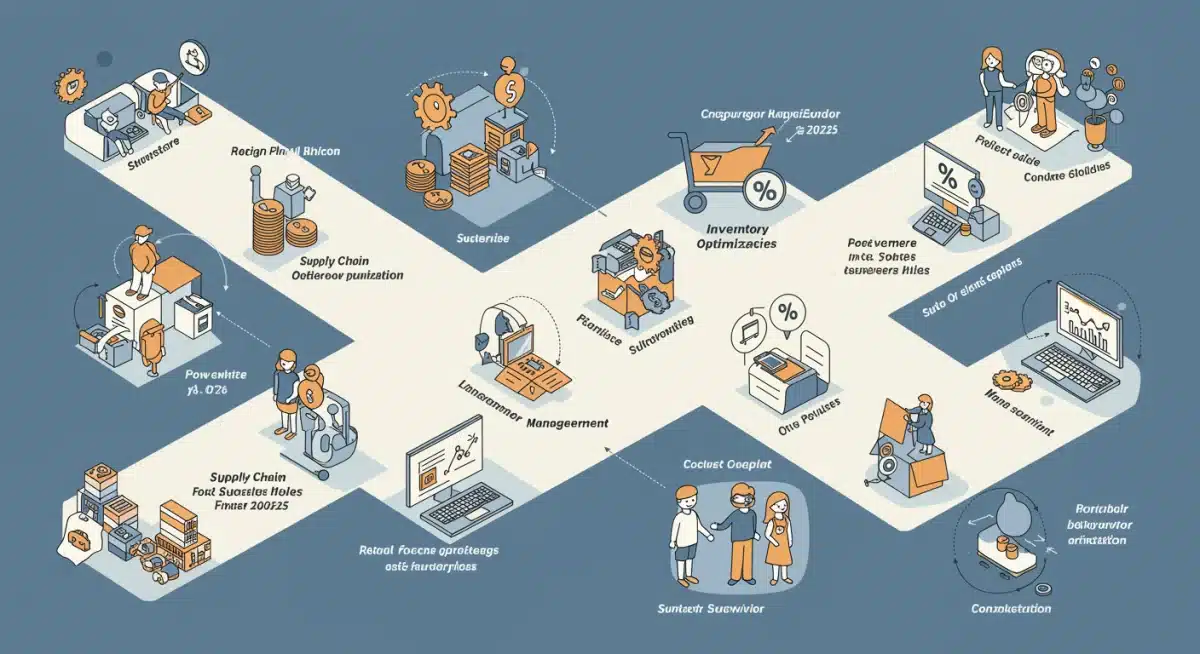
The anticipated 60-90% price drops in 2025 clearance events are expected to have a profound impact on consumer spending and reshape shopping habits. Such aggressive discounts are a powerful incentive, particularly in an economic climate where value for money remains a top priority for most households. Consumers, already accustomed to seeking out deals, will likely become even more strategic in their purchasing decisions, waiting for these deep clearance opportunities.
This shift could lead to a more cyclical buying pattern, where consumers defer non-essential purchases until major clearance periods. Retailers will need to adapt their marketing and inventory management to align with these evolving consumer behaviors. The allure of significant savings can also encourage impulse purchases, expanding the market for items that might not have been on a shopper’s original list.
Shifting consumer expectations
As deep discounts become more common, consumer expectations for year-round value will also rise. Shoppers may become less willing to pay full price for certain items, knowing that substantial savings are just around the corner. This creates a challenging environment for retailers, who must balance the need to clear inventory with maintaining brand perception and perceived product value.
- Increased deal-seeking: Consumers actively searching for sales and promotions across multiple channels.
- Brand loyalty influenced by value: Shoppers may switch brands or retailers based on the best available price.
- Strategic waiting: Delaying purchases of non-essential items until clearance events.
- Budget-conscious buying: Prioritizing needs over wants, with deep discounts enabling aspirational purchases.
The psychological impact of a 90% off sale is immense. It transforms the shopping experience into a treasure hunt, where finding the perfect item at an incredible price becomes a reward. This can foster a sense of excitement and urgency, driving foot traffic and online engagement during clearance periods.
Ultimately, the widespread availability of such significant price drops will empower consumers, giving them more purchasing power and a greater sense of control over their budgets. Retailers who successfully navigate this landscape by offering genuine value and a compelling shopping experience will likely emerge as leaders in the 2025 market, building stronger relationships with their customer base through transparency and consistent deals.
Category-specific predictions for clearance items
While the prospect of 60-90% price drops is exciting across the board, certain product categories are more likely to see these dramatic reductions in 2025 clearance events. Understanding these category-specific predictions can help consumers plan their purchases more effectively and help retailers fine-tune their inventory strategies. The factors influencing these predictions include seasonality, technological obsolescence, fashion cycles, and overall market saturation.
Electronics, particularly those with rapidly evolving technology, are perennial candidates for significant markdowns. As new models are released, older generations quickly lose value, leading to steep discounts. Similarly, fashion and apparel are heavily influenced by seasonal trends, making end-of-season clearance a crucial strategy for retailers to make way for new collections.
Top categories for deep discounts
Several sectors are particularly prone to aggressive price reductions during clearance events. These categories often have high inventory turnover, strong seasonal demand, or a rapid pace of innovation that necessitates frequent stock rotation.
- Apparel and accessories: End-of-season collections, especially those tied to specific fashion trends, will see significant markdowns.
- Consumer electronics: Older models of smartphones, laptops, smart home devices, and televisions as new versions launch.
- Home goods and decor: Seasonal items, discontinued lines, and overstocked furniture or decorative pieces.
- Seasonal sporting goods: Equipment for winter sports cleared in spring, or summer gear cleared in fall.
The home goods sector, encompassing everything from furniture to kitchenware, also frequently features in deep clearance sales. This can be due to inventory overruns, the discontinuation of specific product lines, or seasonal shifts in decor preferences. For consumers looking to furnish or update their homes on a budget, 2025 clearance events will present numerous opportunities.
Ultimately, while the exact items will vary by retailer and market conditions, consumers can strategically target these categories for the most substantial savings. Retailers, in turn, will use these clearance opportunities to optimize their product mix, ensure fresh inventory, and maintain a competitive edge in a fast-moving market.
Strategic planning for retailers: beyond simple markdowns
For retailers, the 2025 clearance landscape demands a strategic approach that extends far beyond simple markdowns. With the expectation of 60-90% price drops, it’s crucial to implement sophisticated strategies that not only clear inventory but also protect brand value, foster customer loyalty, and maximize profitability. This involves a delicate balance of pricing science, marketing psychology, and operational efficiency.
One key strategy is bundle pricing, where complementary items are sold together at a reduced combined price. This encourages customers to purchase more, increasing the average transaction value while still offering a compelling deal. Another approach involves exclusive flash sales or member-only previews, creating a sense of urgency and exclusivity around clearance items.
Innovative clearance tactics
To differentiate themselves and effectively move products, retailers are exploring a variety of innovative tactics. These methods are designed to engage customers, optimize inventory, and turn what might otherwise be a loss into a strategic gain.
- Tiered discounting: Offering deeper discounts based on the quantity purchased or total spend.
- Subscription box integration: Including clearance items in curated boxes at a reduced rate to introduce new products.
- Pop-up clearance events: Temporary sales locations or online events to create excitement and urgency.
- Partnerships with discount retailers: Collaborating with outlet stores or online discounters to offload excess stock discreetly.
Furthermore, retailers are increasingly using clearance as an opportunity for customer acquisition. By offering incredibly attractive deals, they can draw in new shoppers who might then become regular customers, exposed to the brand’s full-price offerings. This long-term view transforms clearance from a reactive measure into a proactive growth strategy.
The emphasis is on smart liquidation that aligns with broader business objectives. This means leveraging data to identify the optimal clearance window, crafting engaging marketing campaigns, and ensuring a seamless customer experience, even for heavily discounted items. Retailers who master these nuanced strategies will be best positioned to thrive amidst the intense competition and significant price drops expected in 2025.
Preparing for the 2025 clearance season: tips for shoppers
With the anticipation of 60-90% price drops in 2025 clearance events, savvy shoppers have a unique opportunity to maximize their savings. Preparing effectively can mean the difference between missing out on a great deal and securing incredible bargains. This involves a combination of strategic planning, diligent research, and quick decision-making.
One of the most crucial tips is to start early. Many retailers offer early access to clearance sales for loyalty program members or email subscribers. Signing up for these programs can give you a significant advantage, allowing you to snag the best deals before they’re gone. Additionally, understanding the typical clearance cycles for your desired items will help you predict when the deepest discounts are likely to occur.
Maximizing your savings strategy
To truly capitalize on the 2025 clearance season, a multi-faceted approach is recommended. This goes beyond simply browsing sales and involves active engagement and smart decision-making.
- Create a wish list: Identify items you genuinely need or want and track their prices beforehand.
- Set price alerts: Utilize apps or websites that notify you when a desired product drops to a certain price.
- Compare prices: Always cross-reference prices across different retailers to ensure you’re getting the best deal.
- Check return policies: Understand the terms for clearance items, as they often differ from regular-priced merchandise.
Another smart move is to research product reviews before purchasing. Even with steep discounts, an item isn’t a good deal if it doesn’t meet your expectations or quality standards. Reading reviews can provide valuable insights into durability, performance, and overall customer satisfaction, preventing buyer’s remorse.
Finally, be prepared to act quickly. The best deals, especially those with 60-90% off, tend to sell out fast. Having your payment information ready and being decisive when you find a desirable item can make all the difference. By adopting these proactive strategies, shoppers can navigate the 2025 clearance season like seasoned pros, securing incredible value and making their budgets go further.
| Key Aspect | Description |
|---|---|
| Deep Discounts | Anticipated 60-90% price drops driven by new retail strategies. |
| Tech Integration | AI and data analytics optimize pricing, inventory, and personalized offers. |
| Supply Chain Efficiency | Leaner operations and better inventory management enable aggressive pricing. |
| Consumer Impact | Shifting shopping habits towards strategic, value-driven purchases. |
Frequently asked questions about 2025 retail clearance
These significant price drops are anticipated due to evolving retail strategies, including advanced data analytics for inventory management, optimized supply chains, and intense market competition. Retailers are becoming more proactive in clearing excess stock to maintain financial health and appeal to value-conscious consumers.
Categories like apparel and accessories, consumer electronics (especially older models), seasonal home goods, and sporting equipment are prime candidates for the deepest discounts. These items are often subject to rapid trend changes, technological obsolescence, or seasonal demand shifts, necessitating quick clearance.
To maximize savings, shoppers should create wish lists, sign up for retailer loyalty programs, set price alerts, and compare prices across different stores. Acting quickly when deals appear and checking return policies for clearance items are also crucial strategies for success.
Generally, deep discounts apply to perfectly good merchandise, often to clear inventory or make way for new stock. However, return policies for clearance items can be stricter, sometimes final sale. Always verify the specific return policy for discounted purchases to avoid any misunderstandings.
Technology, particularly AI and data analytics, is central to 2025 clearance strategies. It enables retailers to forecast demand, optimize pricing dynamically, personalize promotions, and manage inventory with greater precision. This leads to more effective and targeted clearance events, benefiting both retailers and consumers.
Conclusion
The retail landscape in 2025 is poised for a transformative year, particularly concerning clearance events. With retailers adopting sophisticated new strategies driven by advanced data analytics, optimized supply chains, and a keen understanding of consumer behavior, shoppers can legitimately anticipate unprecedented price drops, often in the impressive 60-90% range. This shift signifies more than just aggressive discounting; it represents a strategic evolution in how retailers manage inventory, engage with their customer base, and adapt to dynamic market conditions. For consumers, this translates into significant opportunities for savings across a wide array of product categories, requiring a prepared and informed approach to maximize value. The era of strategic clearance is here, promising a more efficient retail ecosystem and empowering consumers with greater purchasing power.