New Return Policies 2025: Boost Clearance Bargains by 15%
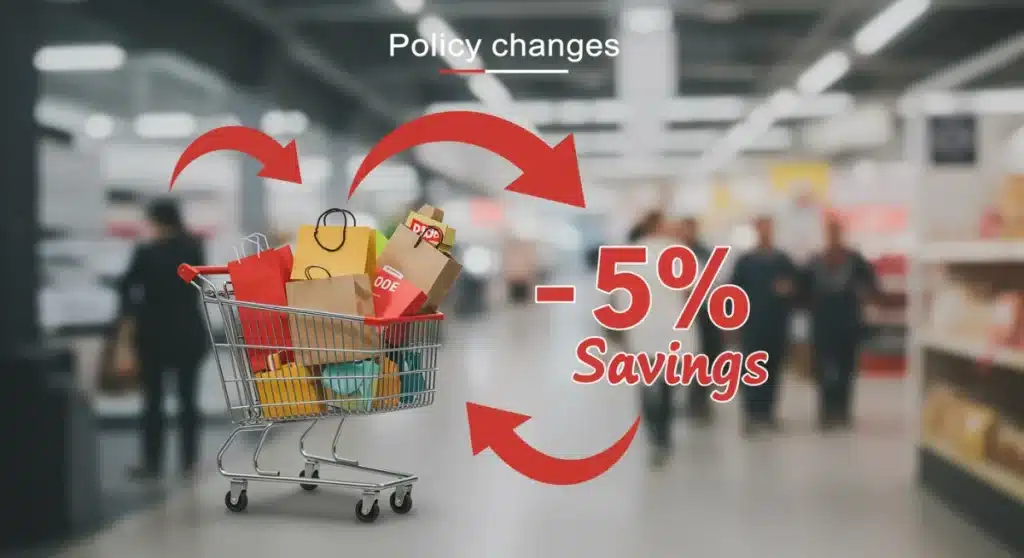
New return policies in 2025 are set to significantly impact clearance event bargains, offering consumers a potential increase of up to 15% in savings by influencing pricing strategies and inventory management.
As we approach 2025, shoppers are keenly observing how recent policy changes: how new return policies impact clearance event bargains in 2025, potentially adding 15% more savings. These shifts in retailer strategies aren’t just minor adjustments; they represent a significant evolution in how stores manage inventory, especially during clearance events, and could unlock unprecedented opportunities for savvy consumers to save more.
understanding the evolving retail landscape
The retail industry is in a constant state of flux, driven by technological advancements, changing consumer behaviors, and economic pressures. Understanding these foundational shifts is crucial to grasping the full implications of new return policies. Retailers are increasingly leveraging data analytics to predict purchasing patterns and returns, aiming to minimize losses and optimize stock levels.
This dynamic environment means that policies once considered standard are now being re-evaluated to better suit both business needs and consumer expectations. The goal is often a delicate balance: maintaining customer satisfaction while protecting profit margins from the often-costly process of handling returns. These adjustments directly influence how and when items eventually make their way to the clearance rack.
the rise of data-driven return strategies
Modern retailers are no longer making decisions based on guesswork. They are using sophisticated algorithms to:
- Identify products with high return rates.
- Predict the likelihood of a return based on customer profiles.
- Optimize restocking and return processing logistics.
By understanding these patterns, retailers can implement more targeted and efficient return policies, which in turn affects the volume and type of merchandise available during clearance sales. This precision helps stores manage inventory more effectively, preventing excessive overstock that might otherwise be liquidated at steeper discounts.
The evolving retail landscape, marked by data-driven decisions and a focus on efficiency, sets the stage for how new return policies will reshape the clearance event experience. These foundational changes are designed to streamline operations and, indirectly, influence the availability and pricing of discounted goods.
key changes in return policies for 2025
As 2025 draws nearer, several significant changes in return policies are emerging across the retail sector. These modifications are not arbitrary; they are responses to economic shifts, supply chain optimizations, and a deeper understanding of consumer behavior. Shoppers need to be aware of these updates to maximize their savings during clearance events.
One prominent trend is the tightening of return windows. Many retailers are shortening the period during which customers can return items, aiming to reduce the risk of holding unsellable seasonal or trend-dependent inventory. This means items are likely to hit clearance sales faster if they are returned just outside the new, shorter window.
stricter conditions for returns
Beyond shorter windows, retailers are also implementing stricter conditions for accepting returns. This includes requirements for:
- Original packaging retention.
- Proof of purchase with specific details.
- Condition of the item (e.g., unworn, unused, with tags).
These stricter conditions can lead to a higher volume of items being deemed ineligible for return. Such items, if still in good condition but outside policy, often find their way into clearance channels, providing more opportunities for bargain hunters. The rationale is to prevent return abuse and reduce operational costs associated with processing non-compliant returns.
Another shift involves the increasing use of return fees, particularly for online purchases. Some retailers are beginning to charge a small fee for return shipping or processing, which discourages frivolous returns and encourages more thoughtful purchasing. This can also mean that items returned due to these fees might be processed more quickly for resale or clearance, as retailers aim to recoup costs.
These key changes in return policies for 2025 collectively influence the flow of merchandise into clearance events. By understanding these new rules, consumers can better anticipate when and where the best deals will emerge, allowing them to capitalize on opportunities that arise from these policy adjustments.
how new policies drive inventory to clearance faster
The updated return policies for 2025 are designed not only to reduce return-related costs but also to optimize inventory turnover. This optimization has a direct impact on how quickly unsold or returned merchandise makes its way to the clearance racks, benefiting consumers looking for deep discounts.
When return windows are shorter, items that are returned late or deemed unsellable within the standard return period are quickly moved out of regular inventory. Retailers can’t afford to let these items sit, especially if they are seasonal or subject to rapid fashion changes. This accelerated movement means more frequent and potentially larger clearance drops.
the role of diminished resale value
Items returned outside of stricter conditions, or those with minor packaging damage, often lose their full resale value. Instead of attempting to reintegrate them into primary stock at full price, which can be costly and time-consuming, retailers prefer to liquidate them quickly.
- Damaged packaging means items cannot be sold as ‘new’.
- Missing tags or minor wear decreases perceived value.
- Seasonal items quickly become obsolete, necessitating rapid clearance.
This diminished resale value pushes products directly into clearance channels. Retailers prefer to recover some cost through a quick sale rather than incurring further holding costs or attempting to recondition items for full price sale. This efficiency in moving inventory helps ensure a steady stream of items for clearance events.
Furthermore, the implementation of return fees can also contribute to this accelerated process. If a customer is charged a fee to return an item, they might be less inclined to return it, or they might return it more promptly. Conversely, items that are returned despite the fee are often processed with urgency, as the retailer has already incurred a cost related to that return. This incentivizes rapid clearance to minimize further losses.
Ultimately, these new policies create a more efficient pipeline for merchandise to enter clearance sales. By reducing the time items spend in limbo and pushing unsellable stock out faster, retailers inadvertently create more opportunities for consumers to find significant bargains, thus increasing the potential for savings at clearance events.
potential for 15% more savings at clearance events
The cumulative effect of these new return policies is not just a faster flow of goods to clearance, but a genuine potential for consumers to realize significantly greater savings, estimated to be around 15% more. This increase stems from several factors, including the sheer volume of discounted goods and the competitive pricing strategies retailers will adopt.
With a larger influx of merchandise hitting clearance, retailers will face increased pressure to move these items quickly. This often translates to more aggressive pricing strategies. Instead of holding onto inventory in hopes of a smaller discount sale, stores will be more inclined to offer deeper cuts upfront to clear stock efficiently.
strategic shopping for maximum benefit
To capitalize on this potential 15% increase in savings, consumers will need to adjust their shopping strategies. This involves:
- Monitoring clearance sections more frequently.
- Acting quickly when desired items appear.
- Understanding individual store return policies in detail.
Being proactive and informed will be key. Shoppers who regularly check for updates and understand the nuances of each retailer’s policies will be best positioned to snag the best deals. The increased frequency of clearance drops means that desirable items might not last long on the shelves.
Moreover, the types of items appearing in clearance may broaden. Products that previously might have been re-shelved or returned to manufacturers could now be directly routed to clearance. This widens the scope of potential bargains, from electronics with minor packaging flaws to apparel that was returned just past the standard window. This diversity enhances the overall value proposition of clearance shopping.
Therefore, the confluence of increased inventory, more aggressive pricing, and a broader range of products creates a fertile ground for substantial savings. Consumers who adapt to these new dynamics in 2025 can realistically expect to see their clearance event bargains yield an average of 15% more savings than in previous years, making strategic shopping more rewarding than ever.
consumer strategies for navigating 2025 policies
To truly unlock the enhanced savings potential offered by the new return policies in 2025, consumers need to adopt smart, proactive strategies. Simply waiting for clearance sales might not be enough; understanding the ‘why’ and ‘how’ behind these policies will provide a significant advantage in securing the best deals.
One crucial strategy is to stay informed about specific retailer policies. While general trends exist, each store will have its own interpretation and implementation of new return rules. Subscribing to newsletters, following social media accounts, and regularly checking retailer websites for policy updates can provide real-time information that can be leveraged for shopping advantage.
timing your purchases effectively
The accelerated flow of returned goods to clearance means timing becomes more critical. Shoppers should:
- Identify patterns in clearance drops (e.g., weekly updates, post-holiday surges).
- Be ready to purchase quickly, especially for high-demand items.
- Utilize price tracking tools to monitor discounts.
Understanding when retailers typically process returns and move them to clearance can help predict when new batches of discounted items will become available. For instance, knowing a store’s return window ends on a certain day might indicate that clearance sections will be refreshed shortly after.
Another effective strategy involves inspecting items thoroughly. Since many clearance items are there due to specific return policy infractions (e.g., damaged packaging, missing tags), a careful inspection can prevent disappointment. Often, the item itself is perfectly fine, offering an excellent value for a minor cosmetic issue on the packaging. This due diligence ensures that the bargain is truly a benefit.
Finally, consider loyalty programs and store credit cards. These often offer early access to sales, additional discounts, or extended return periods that might mitigate some of the stricter new policies. By combining informed timing, diligent inspection, and leveraging loyalty benefits, consumers can skillfully navigate the 2025 return policies to maximize their clearance event savings.
the retailer’s perspective: balancing returns and revenue
While consumers stand to gain from the new return policies, retailers are implementing these changes primarily to optimize their own operations and profitability. It’s a delicate balancing act between maintaining customer satisfaction, managing inventory efficiently, and protecting revenue streams from the significant costs associated with product returns.
The cost of returns for retailers is substantial, encompassing processing fees, shipping, repackaging, and the diminished value of returned goods. By tightening policies, retailers aim to reduce these overheads. This efficiency, while sometimes perceived as stricter by consumers, is vital for a healthy business model in a competitive market.
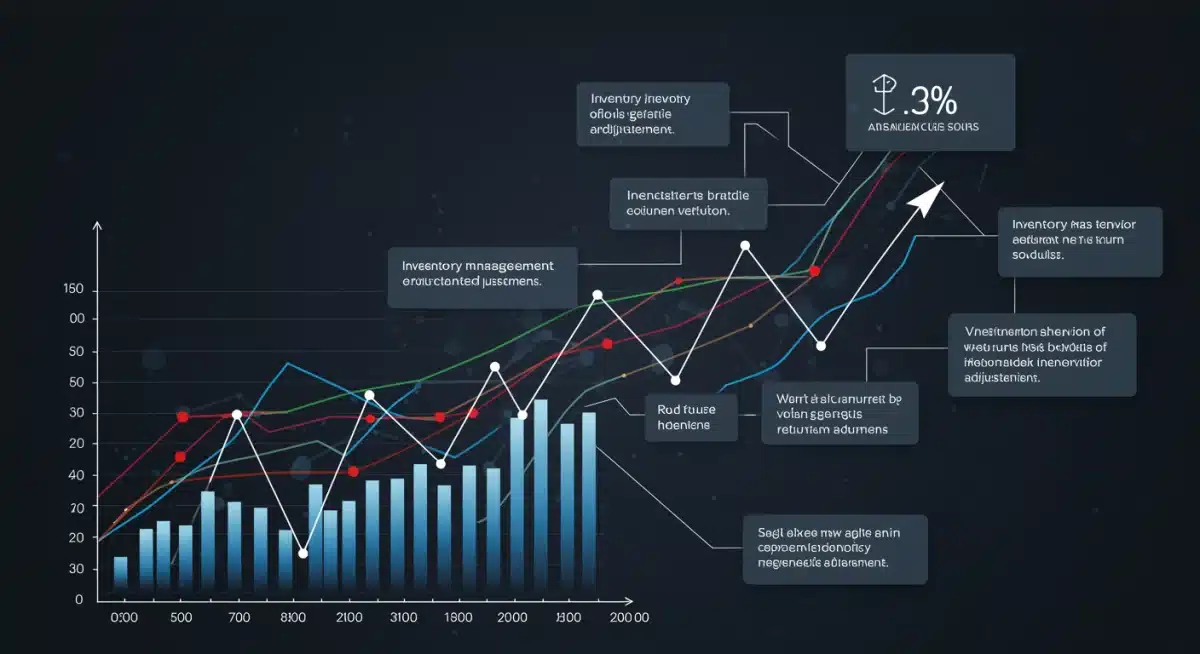
optimizing inventory and reducing waste
A key driver behind the policy changes is better inventory management. Retailers want to ensure products are either sold or returned and processed quickly, rather than sitting in warehouses. This approach helps to:
- Minimize storage costs.
- Reduce obsolescence of seasonal or trend-based items.
- Decrease waste by finding new homes for returned goods.
By moving returned items to clearance faster, retailers are not just clearing space; they are also recovering a portion of their investment, which is far better than letting products become unsellable. This proactive approach to inventory reduces financial waste and contributes to a more sustainable business practice.
Furthermore, the data collected from return patterns informs future purchasing decisions. If a specific product consistently has a high return rate, retailers can adjust their ordering quantities or even reconsider stocking that item. This feedback loop improves the entire supply chain, leading to a more curated and desirable product offering for consumers in the long run.
From the retailer’s perspective, the new return policies are a strategic move towards greater operational efficiency and financial stability. By reducing the burden of returns and optimizing inventory flow, they create a more robust business, which, as a serendipitous consequence, often results in more frequent and attractive clearance deals for consumers.
long-term impact on clearance shopping culture
The implications of these new return policies extend beyond immediate savings; they are poised to reshape the very culture of clearance shopping. As consumers become more aware of the accelerated flow of goods to clearance, their approach to bargain hunting will evolve, creating a more dynamic and competitive environment.
Clearance events might transition from occasional, large-scale sales to more frequent, smaller drops of highly sought-after items. This shift will require shoppers to be more vigilant and responsive, constantly checking for new arrivals rather than waiting for traditional seasonal sales. The thrill of the ‘find’ will intensify, as desirable items are likely to be snapped up quickly.
the rise of informed bargain hunters
The new landscape will favor those who are well-informed and strategic. The casual clearance shopper might find it harder to secure the best deals, while dedicated bargain hunters will thrive. This will foster a community of:
- Savvy shoppers sharing tips and alerts.
- Consumers who understand product lifecycle and return trends.
- Individuals who prioritize quick decision-making.
This increased emphasis on information and speed means that tools like deal alert apps and community forums will become even more invaluable. Shoppers will rely on these resources to stay ahead of the curve and identify opportunities as soon as they arise.
Moreover, the perceived value of clearance items might also change. With more items entering clearance due to policy technicalities rather than inherent flaws, consumers may start viewing these goods with less skepticism. An item returned because its packaging was slightly damaged, but otherwise perfect, offers significant value that was previously harder to find. This could elevate the status of clearance shopping, making it a primary destination for smart purchases rather than just a last resort.
Ultimately, the long-term impact of these new return policies will be a more vibrant, competitive, and potentially more rewarding clearance shopping culture. It will demand greater engagement and strategic thinking from consumers, but in return, it promises a consistent stream of valuable bargains and the potential for significant savings for those who adapt.
| Key Policy Change | Impact on Clearance Bargains |
|---|---|
| Shorter Return Windows | Items hit clearance faster, increasing frequency of deals. |
| Stricter Return Conditions | More items ineligible for full return, leading to deeper discounts. |
| Return Fees Implemented | Discourages frivolous returns, pushing more items to clearance quickly. |
| Data-Driven Inventory Management | Optimizes stock flow, ensuring timely clearance of excess inventory. |
frequently asked questions about 2025 return policies
New policies, such as shorter return windows and stricter conditions, will accelerate the flow of returned or unsold items to clearance. This increased volume and faster turnover will lead to more frequent and deeper discounts, potentially boosting your overall savings by up to 15%.
Items with short shelf lives, like seasonal apparel, electronics, and trendy home goods, will be most affected. Products returned with minor packaging damage or past the new, shorter return windows will also frequently appear in clearance sections, offering significant value.
To stay informed, subscribe to retailer newsletters, follow their social media channels, and regularly check their official websites for policy updates. Many stores will announce changes well in advance, giving you time to adapt your shopping strategy.
While a general trend towards stricter policies is expected, implementation will vary by retailer. Larger chains and e-commerce giants are more likely to lead these changes due to their volume of returns, but smaller businesses may follow suit to remain competitive and efficient.
The main downside is less flexibility for returns, potentially requiring more careful purchasing decisions. Consumers might also encounter return fees. However, for those focused on clearance, these downsides are often outweighed by the increased opportunities for significant savings.
conclusion
The landscape of retail is continually shifting, and the new return policies slated for 2025 represent a significant evolution that will profoundly impact clearance event bargains. By shortening return windows, enforcing stricter conditions, and leveraging data-driven inventory management, retailers are inadvertently creating a more dynamic environment for consumer savings. Shoppers who adapt to these changes, staying informed and acting strategically, stand to gain substantially, with the potential to increase their clearance event savings by an estimated 15%. This shift not only promises greater discounts but also fosters a more engaged and proactive approach to bargain hunting, ultimately benefiting savvy consumers in the long run.