New Policy Alert: Retail Changes & Daily Deals 2025 Impact
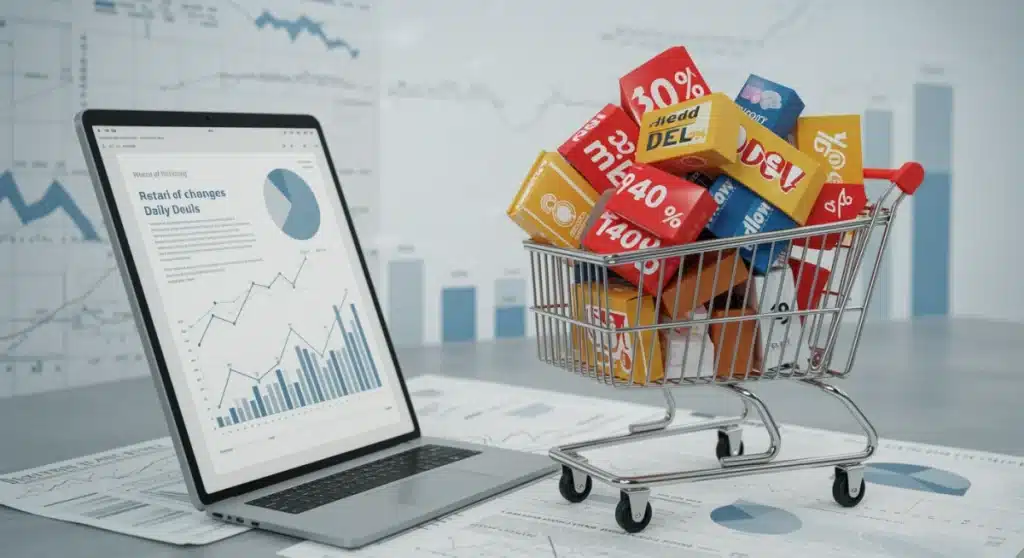
New policy alerts indicate that recent retail changes slated for 2025 will significantly alter daily deal availability and prices, requiring consumers to recalibrate their shopping approaches.
The retail world is constantly evolving, but 2025 is poised to bring about some particularly profound shifts. A new policy alert indicates that recent retail changes are set to significantly impact daily deal availability and prices in 2025. This transformation demands attention from every savvy shopper.
Understanding the New Regulatory Landscape
The upcoming year, 2025, marks a pivotal moment for the retail sector, as a series of new regulations and policy adjustments are slated to take effect. These changes are not arbitrary; they stem from a confluence of economic pressures, environmental concerns, and a concerted effort to level the playing field for businesses while protecting consumer interests. Understanding these foundational shifts is crucial for anticipating their ripple effects on daily deals.
Key Policy Drivers for 2025
Several legislative and economic factors are converging to shape the new retail policies. Governments are increasingly focusing on sustainable practices, fair labor standards, and data privacy, which inherently adds layers of compliance for retailers. Simultaneously, global supply chain volatility continues to prompt discussions around domestic production incentives and import tariffs.
- Environmental Regulations: Stricter mandates on packaging, waste reduction, and carbon emissions will compel retailers to invest in eco-friendly alternatives, potentially increasing operational costs.
- Labor Laws: Changes in minimum wage, worker benefits, and workplace safety standards will directly impact labor expenses, a significant component of retail pricing.
- Data Privacy Acts: Enhanced consumer data protection laws will require significant technological and procedural overhauls for retailers, affecting how they personalize offers and manage customer data.
- Supply Chain Resiliency Measures: Policies promoting diversified sourcing and local production aim to mitigate future disruptions, but might also lead to higher initial product costs.
These policy drivers collectively create a new operational paradigm for retailers. Compliance often translates into increased overheads, which are then typically passed on to the consumer, albeit sometimes indirectly through adjustments in pricing strategies and promotional activities. Therefore, the very foundation upon which daily deals are built is being reshaped, necessitating a deeper look into how these costs will influence the final prices and frequency of discounts.
In essence, the new regulatory landscape is not merely a bureaucratic hurdle; it’s a fundamental restructuring of how retailers operate, procure goods, and manage their expenses. These adjustments are designed to foster more responsible business practices, but their immediate consequence will be a recalculation of profit margins and, by extension, the scope for aggressive discounting.
Impact on Retailer Overhead and Operational Costs
The new policies slated for 2025 are designed to introduce more robust frameworks for retail operations, but they inevitably come with increased overheads. Retailers, from large corporations to small businesses, will face new compliance costs, which can range from technological upgrades to revised logistical processes.
Rising Costs: A Multifaceted Challenge
Operational costs are a primary determinant of a product’s final price and a retailer’s ability to offer discounts. The impending policy changes are set to inflate these costs across several critical areas. For instance, new environmental regulations might necessitate investments in biodegradable packaging or more energy-efficient warehousing, expenses that were not as prevalent in previous years. Similarly, enhanced labor protections, while beneficial for employees, will increase payroll expenses through higher wages, expanded benefits, or additional training requirements.
- Logistics and Shipping: Stricter emissions standards for transportation fleets and new regulations on cross-border shipping could lead to higher freight costs.
- Technology and Data Security: Compliance with new data privacy laws requires significant investment in secure IT infrastructure and data management systems.
- Supplier Relations: Retailers may need to audit their supply chains more rigorously to ensure suppliers comply with ethical sourcing and environmental standards, potentially leading to higher procurement costs.
These rising costs create a challenging environment for retailers. To maintain profitability, businesses often have two main recourse options: increase product prices or reduce promotional activities. Given the competitive nature of the retail market, a direct price increase might deter customers, making the reduction or restructuring of daily deals a more probable outcome. Retailers will need to carefully balance these cost pressures with consumer expectations, potentially leading to more strategic, less frequent, or smaller discounts.
Ultimately, the increase in operational costs means that the margin for error, and for generous discounting, shrinks. Retailers will be forced to be more selective about which products they discount and how deeply, making true ‘daily deals‘ a rarer occurrence. This shift reflects a broader economic trend where the cost of doing business is escalating, pushing retailers to adopt more conservative pricing and promotional strategies.
Shifts in Supply Chain Dynamics and Product Availability
The global supply chain, already a complex web, is set to undergo significant modifications in 2025 due to new retail policies. These changes will directly influence product availability and, consequently, the frequency and depth of daily deals. Retailers rely on efficient supply chains to stock their shelves, and any disruption or added cost in this process has a direct impact on consumers.
Reshaping Sourcing and Logistics
New policies are encouraging, and in some cases mandating, more localized sourcing and diversified supply networks. This move aims to build resilience against future global disruptions, similar to those experienced in recent years. While beneficial for long-term stability, transitioning to new suppliers or establishing local manufacturing can be costly and time-consuming in the short term. These increased sourcing costs will inevitably affect the wholesale price of goods.
- Localization Trends: A push for domestic production or sourcing from closer regions can reduce shipping times but might increase unit costs due to differing labor and material prices.
- Diversification Strategies: Retailers are being urged to have multiple suppliers for key products, reducing reliance on a single source. This can sometimes involve higher administrative costs and managing more complex logistics.
- Tariffs and Trade Agreements: Evolving international trade policies and potential adjustments to tariffs will directly impact the cost of imported goods, making some products more expensive for retailers to acquire.
The direct consequence of these supply chain shifts is a potential reduction in product availability, especially for items that were previously sourced from regions now affected by new policies or trade agreements. When products become scarcer, retailers have less incentive to offer deep discounts, as demand often outstrips supply at regular prices. This means that popular items, once frequently seen in daily deals, may become less common or offered at shallower discounts.
Furthermore, the increased complexity and cost associated with managing these new supply chain dynamics will eat into retailers’ margins. This forces them to re-evaluate their promotional strategies, prioritizing profitability over aggressive price cuts. Consumers should anticipate a market where highly sought-after products are less frequently discounted, and a premium might be placed on items with more stable and localized supply chains.
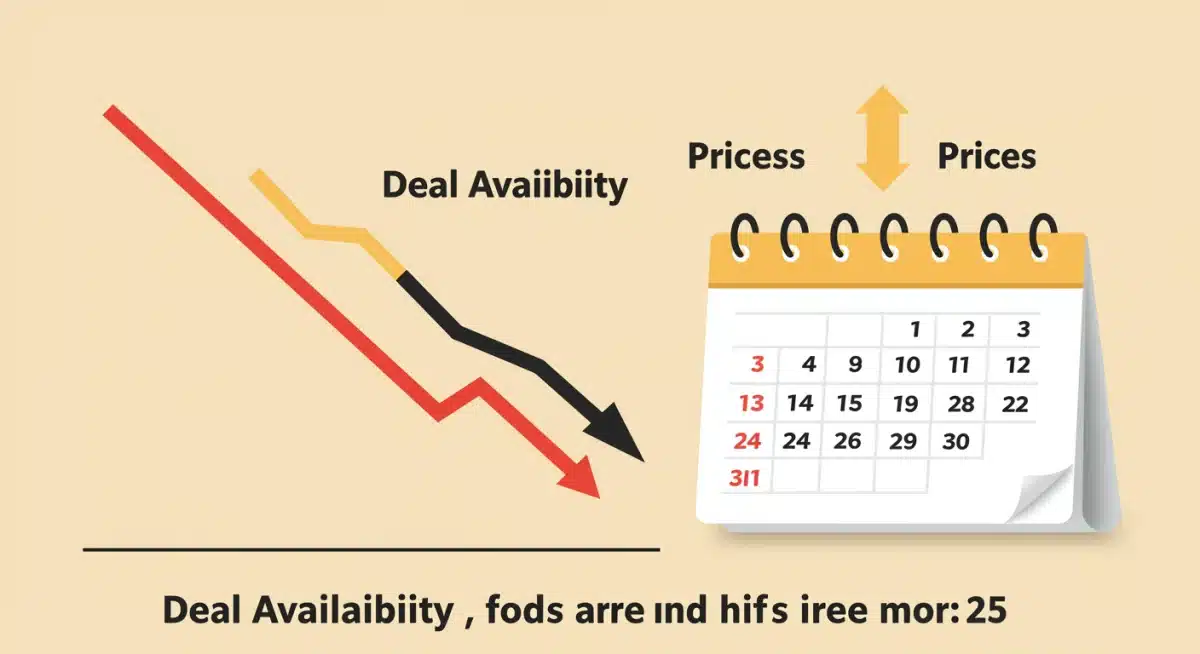
Consumer Behavior and Adaptation Strategies
As the retail landscape shifts in 2025, consumer behavior will undoubtedly evolve. Shoppers, accustomed to a certain level of daily deal availability, will need to adapt their strategies to navigate a market characterized by potentially fewer and less aggressive discounts. This adaptation will be key to continuing to find value amidst the changes.
Proactive Shopping and Value Seeking
The era of abundant, spontaneous daily deals might recede, giving way to a more deliberate and strategic shopping approach. Consumers will likely become more proactive in their search for value, moving beyond simply waiting for deals to appear. This might involve more research, price comparison across different retailers, and a willingness to purchase during less conventional promotional periods.
- Early Planning: For significant purchases, consumers may need to start monitoring prices much earlier than before, rather than relying on last-minute daily deals.
- Loyalty Programs: Retailer loyalty programs and subscription services might offer more consistent value than one-off daily deals, encouraging greater customer retention.
- Strategic Timing: Understanding seasonal sales cycles and major holiday promotions will become even more critical, as these might become the primary avenues for significant savings.
Moreover, there might be a shift towards prioritizing quality and longevity over the lowest price point. If deals become scarcer, consumers might be inclined to invest in more durable goods that offer better long-term value, rather than frequently replacing cheaper, less robust items. This behavioral shift could influence retailers’ product offerings, pushing them towards higher-quality, albeit potentially pricier, merchandise.
Consumers will also likely become more adept at utilizing price tracking tools and apps that provide historical pricing data, helping them identify genuine discounts versus inflated ‘deals.’ The emphasis will move from opportunistic buying to informed decision-making, where understanding the true value proposition becomes paramount. This adaptation will require a more engaged and informed consumer base, willing to put in the effort to secure the best possible value in a changing market.
Retailer Responses: Innovation and New Deal Models
Faced with increased operational costs and evolving supply chain dynamics, retailers are not idly standing by. The new policy alerts for 2025 are prompting a wave of innovation in how businesses approach pricing, promotions, and customer engagement. This means we might see the emergence of new deal models rather than a complete disappearance of discounts.
Creative Approaches to Value Delivery
Retailers understand that daily deals are a powerful tool for attracting and retaining customers. Therefore, instead of eliminating them, many will likely pivot to more strategic and sustainable promotional methods. This could involve leveraging technology to personalize offers, bundling products, or focusing on loyalty-based discounts that reward repeat business rather than broad, deep price cuts.
- Personalized Deals: Utilizing data analytics to offer highly targeted discounts to individual customers based on their purchasing history and preferences, maximizing impact while controlling costs.
- Subscription Models: Expanding subscription services that provide exclusive discounts or early access to deals, creating a recurring revenue stream while offering consistent value to loyal customers.
- Bundling Strategies: Combining complementary products into discounted bundles, which can increase the average transaction value while offering perceived savings to consumers.
- Dynamic Pricing: Implementing more sophisticated dynamic pricing algorithms that adjust prices in real-time based on demand, inventory levels, and competitor pricing, making discounts more fluid.
Furthermore, retailers might explore partnerships with brands to co-fund promotions, sharing the cost of discounts to make them more feasible. There could also be a greater emphasis on non-monetary incentives, such as exclusive content, early product access, or enhanced customer service, which add value without directly reducing prices. This shift reflects a move towards ‘value engineering’ where the overall customer experience and perceived benefits become as important as the price tag.
The retail sector’s response will be characterized by agility and creativity. While the traditional daily deal format might undergo a transformation, the underlying principle of offering compelling value will remain. Consumers should keep an eye out for these new and evolving promotional strategies, as they will define how savings are accessed in the coming years.
Preparing for 2025: A Shopper’s Guide
As 2025 approaches with its new retail policy alerts, consumers need to be proactive and informed to navigate the potential shifts in daily deal availability and pricing. Being prepared can help you continue to find value and make smart purchasing decisions in a changing market.
Essential Strategies for Savvy Shopping
The key to successful shopping in 2025 will involve a blend of strategic planning, resourcefulness, and adaptability. Relying solely on impulse purchases driven by fleeting daily deals might become less effective. Instead, a more methodical approach will yield better results, ensuring you get the most out of your budget.
- Track Prices Diligently: Utilize price tracking apps and browser extensions to monitor historical prices of items you intend to buy. This helps discern genuine discounts from inflated ‘deals.’
- Embrace Loyalty Programs: Sign up for loyalty programs from your favorite retailers. These programs are likely to become primary sources of exclusive discounts and early access to sales.
- Shop Off-Season: Consider purchasing items during their off-season when demand is lower, and retailers might be more inclined to offer discounts to clear inventory.
- Buy in Bulk Strategically: For non-perishable goods you use regularly, buying in larger quantities during a good sale can lock in savings, especially if individual item deals become less frequent.
- Set Deal Alerts: Configure alerts for specific products or categories on your preferred shopping platforms. This ensures you’re notified immediately when a relevant deal appears.
Moreover, fostering a habit of research before purchase will become invaluable. Understanding product life cycles, typical pricing fluctuations, and alternative brands can empower consumers to make more informed decisions. Don’t be afraid to compare prices across multiple retailers, including smaller, independent businesses, as they might offer unique value propositions or specialized deals.
Ultimately, preparing for 2025 means shifting from a passive recipient of deals to an active participant in the search for value. By adopting these strategies, shoppers can mitigate the impact of changing retail policies and continue to enjoy savings, albeit through more deliberate and strategic efforts.
| Key Impact Area | Brief Description of Change |
|---|---|
| Deal Availability | Likely reduction in frequency and depth of broad daily deals due to increased retailer costs. |
| Product Pricing | Potential for higher base prices as retailers pass on new operational and compliance expenses. |
| Shopping Strategy | Consumers will need to adopt more proactive and strategic approaches to finding value. |
| Retailer Innovation | Expect new deal models like personalized offers, subscription benefits, and product bundling. |
Frequently Asked Questions About 2025 Retail Changes
The main drivers include new environmental regulations, updated labor laws, stricter data privacy acts, and measures to enhance supply chain resiliency. These policies aim to foster more sustainable and ethical business practices across the retail sector.
Increased operational costs for retailers due to compliance, logistics, and sourcing will likely reduce their margin for aggressive discounting. This means fewer broad daily deals and potentially shallower discounts on available offers.
Consumers should adopt proactive strategies such as tracking prices, joining loyalty programs, shopping off-season, and strategically buying in bulk. Being informed and adaptable will be key to navigating the new retail environment effectively.
No, retailers will likely adopt varied strategies. Larger chains might leverage technology for personalized deals, while smaller businesses may focus on unique value propositions or niche loyalty programs. Innovation in deal models is expected across the board.
While immediate impacts might include fewer deals, the long-term benefits could include more ethically sourced products, improved data privacy, and a more resilient supply chain, leading to greater product availability stability and responsible consumption.
Conclusion
The impending retail policy changes in 2025 represent a significant inflection point for both businesses and consumers. While the landscape of daily deals and pricing is set to evolve, understanding these shifts allows for proactive adaptation. Retailers will innovate with new promotional models, and consumers, by adopting informed and strategic shopping habits, can continue to find value. Staying alert to these changes is not just about saving money; it’s about navigating a more complex, yet potentially more responsible, retail future.