Avoid Buyer’s Remorse: 2025 Guide to Verifying Online Luxury Authenticity
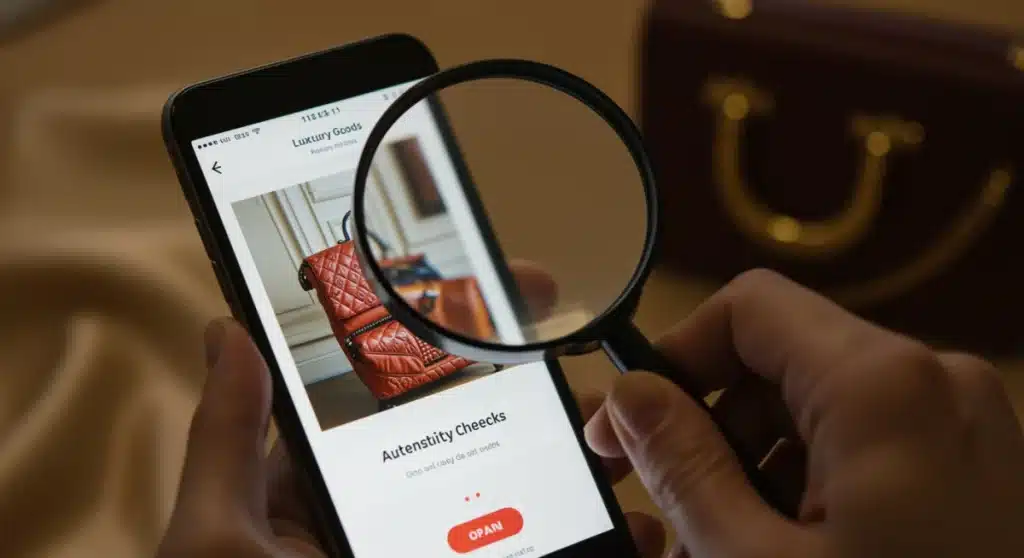
Verifying the authenticity of online luxury authenticity goods in 2025 is crucial to avoid buyer’s remorse, requiring a diligent approach to digital provenance, seller reputation, and advanced authentication technologies.
Purchasing luxury items online, especially exclusive pieces, offers unparalleled convenience and access to a global marketplace. However, the digital realm also brings challenges, primarily the risk of encountering counterfeit goods. This comprehensive 2025 guide provides practical solutions to help you avoid buyer’s remorse by verifying the authenticity of your online exclusive luxury goods, ensuring your investments are genuine and secure.
Understanding the evolving landscape of online counterfeits
The digital marketplace for luxury goods is a double-edged sword. While it offers access to rare and exclusive items, it also provides fertile ground for sophisticated counterfeiters. In 2025, these illicit operations have become increasingly adept at mimicking genuine products, making it harder for even discerning buyers to spot fakes. Understanding their tactics is the first step in protecting your investment.
Counterfeiters leverage advanced manufacturing techniques and mimic legitimate online storefronts, often using high-quality images and convincing descriptions. They exploit social media and obscure websites to sell their wares, making traditional authentication methods insufficient. The sheer volume of online transactions further complicates the issue, as tracking individual items becomes a monumental task.
The rise of AI-powered fakes
One of the most significant challenges in 2025 is the proliferation of AI-generated content and deepfake technology used to create hyper-realistic product images and even video reviews. These tools can produce visuals that are almost indistinguishable from genuine marketing materials, deceiving buyers before they even receive the product.
- Sophisticated image manipulation: AI can alter product images to hide flaws or create false authentication details.
- Deepfake reviews: AI-generated videos featuring seemingly credible influencers endorsing fake products.
- Website cloning: Entire luxury brand websites are replicated with astonishing accuracy, tricking users into purchasing counterfeits.
The evolving nature of these threats necessitates a proactive and technologically informed approach to authentication. Relying solely on visual inspection is no longer enough; buyers must utilize a combination of digital tools and critical thinking to safeguard their purchases.
Leveraging official channels and authorized retailers
The most straightforward and reliable method to ensure authenticity is to always purchase directly from the brand’s official website or through authorized retailers. These channels guarantee that you are acquiring a genuine product, backed by the brand’s warranty and customer service. In 2025, many luxury brands have enhanced their online presence, offering exclusive items only available through their official digital storefronts.
Authorized retailers, whether online or brick-and-mortar with an online presence, have established relationships with luxury brands. They adhere to strict guidelines regarding product sourcing, storage, and sales, minimizing the risk of counterfeits. Always look for official badges or certifications on their websites that confirm their status as an authorized dealer.
Identifying legitimate online platforms
Beyond official brand sites, several reputable online luxury marketplaces specialize in authenticated pre-owned or new exclusive items. These platforms employ rigorous authentication processes, often involving expert appraisers and advanced technology, to verify every item before it reaches the buyer.
- Verify website URLs: Always double-check the URL for any discrepancies or misspellings that could indicate a phishing or counterfeit site.
- Look for secure payment gateways: Legitimate sites use encrypted payment processors (e.g., HTTPS in the URL bar, padlock icon).
- Read reviews and reputation: Research the platform’s history, customer reviews, and any accreditation it may have received.
Choosing to buy from these trusted sources significantly reduces the risk of buyer’s remorse and provides peace of mind. It’s a fundamental step in ensuring the authenticity of your luxury purchases in an increasingly complex online environment.
Advanced digital authentication methods
As counterfeiters evolve, so do authentication technologies. In 2025, several cutting-edge digital tools and methods are available to help consumers verify the authenticity of luxury goods. These technologies often involve a combination of physical markers on the product and digital verification systems that can be accessed via smartphones or specialized devices.
One prominent method is the use of NFC (Near Field Communication) or RFID (Radio-Frequency Identification) tags embedded within the product itself. These tags can be scanned with a smartphone app to pull up detailed product information, including its manufacturing date, materials, and a unique digital certificate of authenticity. This creates an unalterable digital twin of the physical item.
Blockchain-based provenance tracking
Blockchain technology is revolutionizing how luxury goods’ provenance is tracked. Many luxury brands are now integrating blockchain into their supply chains, creating an immutable record of an item’s journey from manufacturing to sale. This transparency allows buyers to trace the product’s history and verify its authenticity with unprecedented confidence.
- Immutable records: Each transaction and ownership transfer is recorded on a blockchain, making it impossible to alter.
- Digital certificates: Products come with unique digital certificates stored on the blockchain, accessible via QR codes or NFC tags.
- Enhanced transparency: Consumers can view the entire supply chain, from raw materials to the final product.
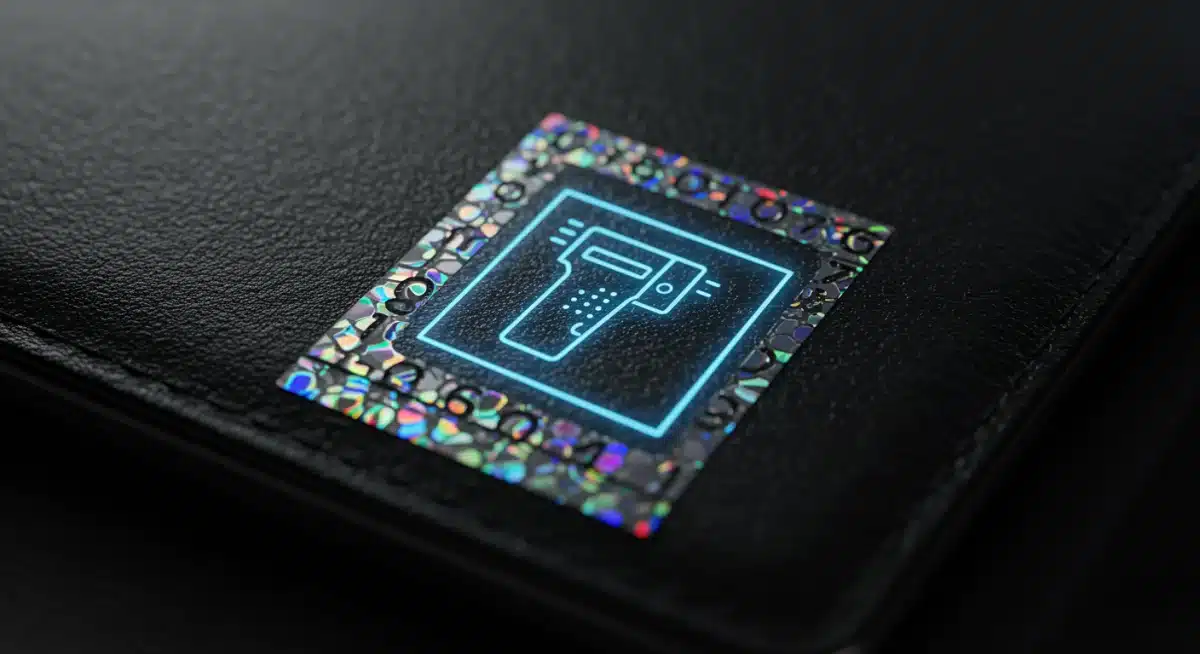
These advanced digital authentication methods provide a robust defense against counterfeits. By understanding and utilizing these tools, consumers can confidently navigate the online luxury market and avoid buyer’s remorse. Always check if the luxury brand you are interested in offers such technologies for their products.
Scrutinizing seller reputation and feedback
When purchasing luxury goods from third-party sellers or marketplaces, thoroughly vetting the seller’s reputation is paramount. A seller’s history, feedback, and communication practices can provide crucial insights into their trustworthiness and the authenticity of their products. This step is especially vital for pre-owned or vintage luxury items.
Start by examining the seller’s profile. Look for a long-standing presence on the platform, a high volume of positive reviews, and a low rate of returns or complaints. Pay attention to specific comments regarding product authenticity, shipping, and customer service. A seller with a consistent track record of satisfied customers is generally a more reliable choice.
What to look for in seller feedback
While a high rating is good, delve deeper into the actual feedback comments. Generic positive reviews are less informative than detailed ones that mention specific aspects of the product or transaction. Conversely, even a few negative reviews, especially those concerning authenticity or misrepresentation, should raise a red flag.
- Detailed positive reviews: Look for comments that specifically praise the product’s authenticity, quality, and accurate description.
- Seller responsiveness: Assess how quickly and thoroughly the seller responds to inquiries, indicating professionalism.
- Return policy clarity: A clear and fair return policy, especially for authenticity concerns, is a sign of a reputable seller.
Engage with the seller before making a purchase. Ask detailed questions about the item’s provenance, condition, and any included authentication documents. A transparent and knowledgeable seller will be happy to provide this information, helping you to avoid buyer’s remorse.
Detailed product inspection and documentation
Even with advanced digital tools, a thorough physical inspection of the product upon arrival remains a critical step in verifying authenticity. Luxury items are known for their impeccable craftsmanship, high-quality materials, and attention to detail. Any deviation from these standards could indicate a counterfeit.
Before unboxing, review the packaging. Genuine luxury packaging is usually robust, with precise branding and high-quality materials. Inspect the product itself for consistency in stitching, hardware, logos, and materials. Compare these details with official product images on the brand’s website or in reputable luxury catalogs.
Key elements to inspect
Specific elements often reveal a product’s authenticity. For example, the weight and feel of hardware, the precision of embossed logos, the alignment of patterns, and the quality of interior linings are all crucial indicators. Counterfeiters often struggle to replicate these finer details perfectly.
- Stitching: Look for even, consistent, and strong stitching without loose threads.
- Hardware: Genuine luxury hardware is typically weighty, polished, and free of imperfections.
- Serial numbers/date codes: Verify these against brand-specific guides and ensure they are properly inscribed.
- Materials: Authentic luxury materials (e.g., leather, silk) have a distinct feel, smell, and appearance.
Always retain all original documentation, such as receipts, authenticity cards, and warranty information. These documents are vital for proving provenance and can be crucial if you ever need to dispute a purchase or resell the item. This meticulous approach helps solidify your confidence in the purchase and prevents future regrets, thus helping to avoid buyer’s remorse.
Legal protections and dispute resolution
Despite all precautions, sometimes a counterfeit item slips through. Knowing your legal protections and available dispute resolution mechanisms is crucial for online luxury purchases. Consumer protection laws in the United States offer recourse for buyers who have been sold fraudulent goods.
Most reputable online marketplaces and payment processors (e.g., PayPal, credit card companies) offer buyer protection programs. These programs allow you to dispute transactions if the item received is not as described or is found to be counterfeit. The key is to act quickly and provide thorough documentation of the issue.
Navigating buyer protection and legal recourse
When disputing a purchase, gather all evidence, including screenshots of the product listing, communication with the seller, photographic evidence of the item’s discrepancies, and any authentication reports. The more documentation you have, the stronger your case will be.
- Platform dispute resolution: Initiate a dispute through the platform’s official channels first.
- Credit card chargebacks: If the platform’s resolution is unsatisfactory, consider a chargeback with your credit card company.
- Legal counsel: For high-value items or persistent issues, consulting with a consumer law attorney may be necessary.
Understanding these protections empowers you to purchase online with greater confidence, knowing that avenues exist to rectify situations where authenticity is compromised. This knowledge is an essential component of a comprehensive strategy to avoid buyer’s remorse in the luxury market.
Future trends in luxury authentication
The landscape of luxury authentication is continuously evolving, driven by technological advancements and the persistent threat of counterfeiting. Looking ahead to 2025 and beyond, several emerging trends promise to further enhance the security and trustworthiness of online luxury purchases. Staying informed about these developments will be key for discerning buyers.
One significant trend is the increased integration of AI and machine learning into authentication processes. AI algorithms can analyze vast datasets of product images, material compositions, and manufacturing details to identify even the most subtle inconsistencies that human eyes might miss. These systems can learn and adapt, becoming more effective over time at detecting new counterfeiting techniques.
The promise of metaverse authentication
As the metaverse expands, so too does the concept of digital luxury. Brands are exploring ways to authenticate luxury items purchased for virtual worlds, and this technology could eventually bridge back to physical goods. Imagine a digital twin of your physical luxury item existing in the metaverse, serving as an irrefutable proof of authenticity.
- Digital twins: Creating a virtual, authenticated replica of every physical luxury item.
- AR/VR authentication apps: Using augmented and virtual reality to overlay authentic product details onto a physical item for real-time comparison.
- Decentralized identity for luxury: A secure, user-controlled digital identity linked to luxury purchases, enhancing privacy and authenticity.
These future trends highlight a move towards more integrated, intelligent, and user-friendly authentication solutions. By embracing these innovations, consumers will be better equipped to navigate the complexities of the online luxury market, making informed decisions and effectively avoiding buyer’s remorse.
| Key Verification Method | Brief Description |
|---|---|
| Official Channels | Purchase directly from brand websites or authorized retailers to guarantee authenticity. |
| Digital Authentication | Utilize NFC/RFID tags and blockchain for immutable provenance tracking and digital certificates. |
| Seller Reputation | Vet third-party sellers through detailed reviews, communication, and clear return policies. |
| Physical Inspection | Examine craftsmanship, materials, serial numbers, and documentation upon product arrival. |
Frequently asked questions about online luxury authenticity
The biggest risk is encountering sophisticated counterfeit goods. Counterfeiters use advanced techniques, including AI-generated images and cloned websites, making it challenging to distinguish fakes from genuine products. Diligence and advanced verification methods are essential to mitigate this risk.
Blockchain creates an immutable, transparent record of a luxury item’s journey from manufacturing to sale. Each product can have a unique digital certificate stored on the blockchain, accessible via QR codes or NFC tags, ensuring its provenance and authenticity cannot be falsified.
No, not all online luxury marketplaces are equally reliable. It’s crucial to research their authentication processes, read customer reviews, and look for official accreditations. Reputable platforms employ expert appraisers and advanced technology to verify every item, offering greater buyer protection.
If you suspect a fake, immediately gather all evidence, including product photos, seller communications, and any discrepancies. Initiate a dispute through the selling platform’s buyer protection program or contact your credit card company for a chargeback. Act swiftly for the best chance of resolution.
Yes, AI and AR are expected to revolutionize authentication. AI can analyze vast data to detect subtle inconsistencies, while AR/VR apps can overlay authentic product details onto physical items for real-time comparison, making verification more accessible and precise for consumers.
Conclusion
Navigating the complex world of online luxury goods in 2025 demands vigilance and a proactive approach to authenticity verification. By prioritizing purchases from official channels, leveraging advanced digital authentication technologies like blockchain, thoroughly vetting seller reputations, and conducting meticulous physical inspections, consumers can significantly mitigate the risk of encountering counterfeits. Understanding your legal protections and staying informed about emerging trends in authentication further empowers you to make secure, confident investments. Ultimately, a multi-faceted strategy is your best defense against fraud, ensuring you can fully enjoy your luxury acquisitions without the burden of buyer’s remorse.